Happy Stones

Collection of 16 apps

Device: Interactive floor · Interactive table · Interactive wall · PC Workstation · Interactive board Control method: Motion interaction · Touch/Mouse App categories: sport and fun · maths and logic · linguistics · creativity · special educational needs · board and strategy games
Variant selection:

$440.00 VAT incl. 0%

Prices for: United States · USD Change

We reply to inquiries within 1 business day — you will receive the quote by e-mail.


Want to buy online right away? It only requires an account: log in or sign up

$287.50 VAT incl. 0%

Prices for: United States · USD Change

We reply to inquiries within 1 business day — you will receive the quote by e-mail.


Want to buy online right away? It only requires an account: log in or sign up

Online payments: payment card or PayPal. E-mail and quote orders can also be paid by bank transfer. See more information on how to order Motioncube applications.

Icon
16

apps

3

difficulty levels

400

interactive exercises

Motion

Fun and Development

How to use the Happy Stones apps?

On the interactive floor

On the interactive floor

powered by Motioncube

By moving

By moving

on the interactive floor

On the interactive board

On the interactive board

Use the version for touchscreens

Individual exercises

Individual exercises

Exercises in pairs

Exercises in pairs

Team play

Team play

Find out more

The Happy Stones application package is intended for use during remedial classes with children.

It can also be used to supplement everyday educational activities for preschool and early school age children, as well as corrective, compensatory and remedial teaching activities. The applications are consistent with the core curriculum for students with moderate and severe intellectual disabilities and multiple disabilities. The proposed exercises are also suitable for remedial and educational classes for children with severe intellectual disabilities. Activities with the Happy Stones package can help develop an interest in the environment and independence in everyday life among participants.

In particular, it is recommended for classes with children who enjoy physical activity or need such activity. The child does not need to be able to read or count.

The proposed tasks are intended for working with one user, a pairs or in a group.

The applications are designed for the Motioncube interactive floors.

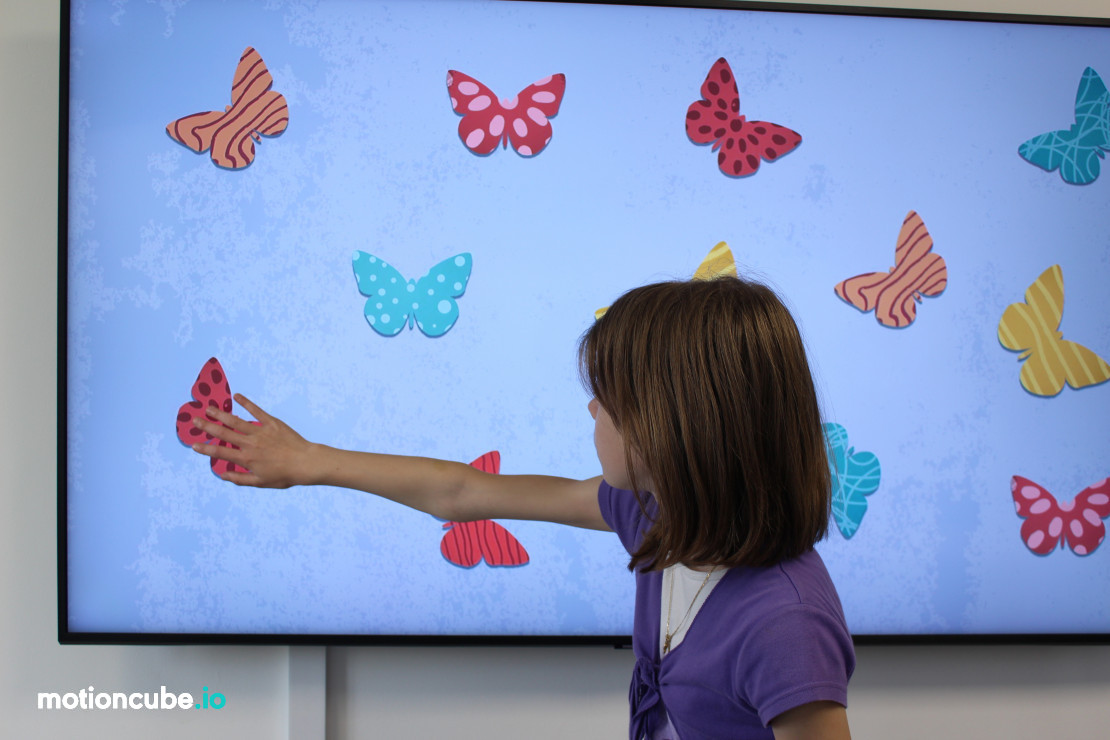
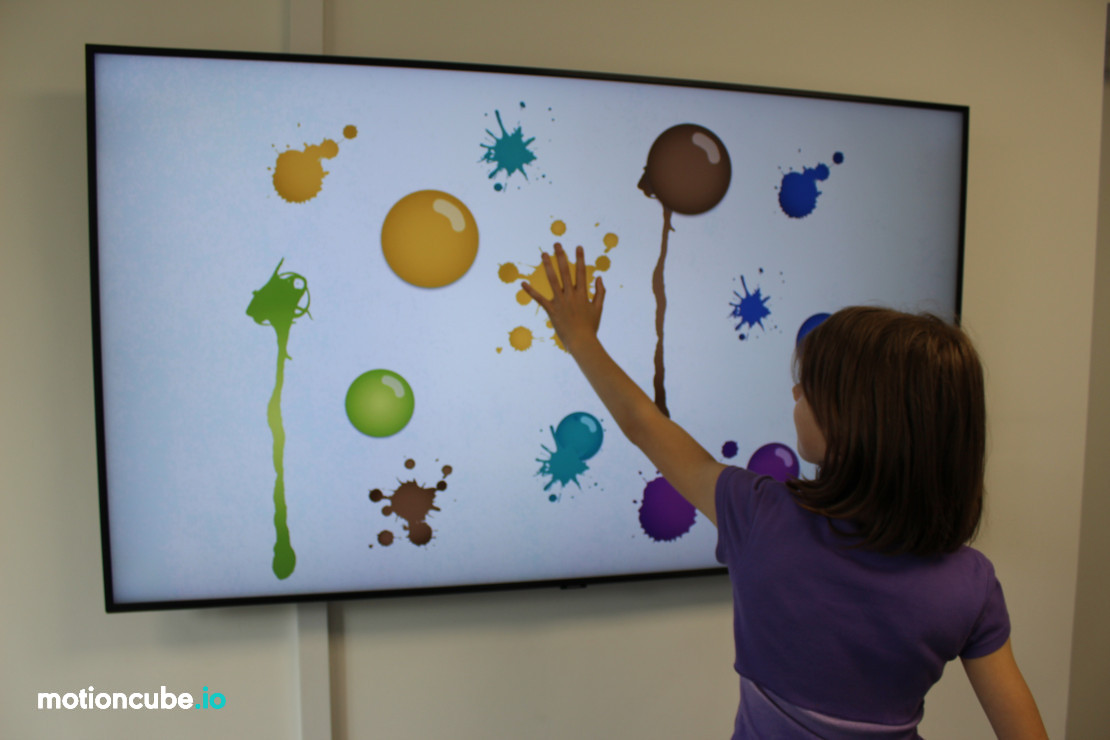
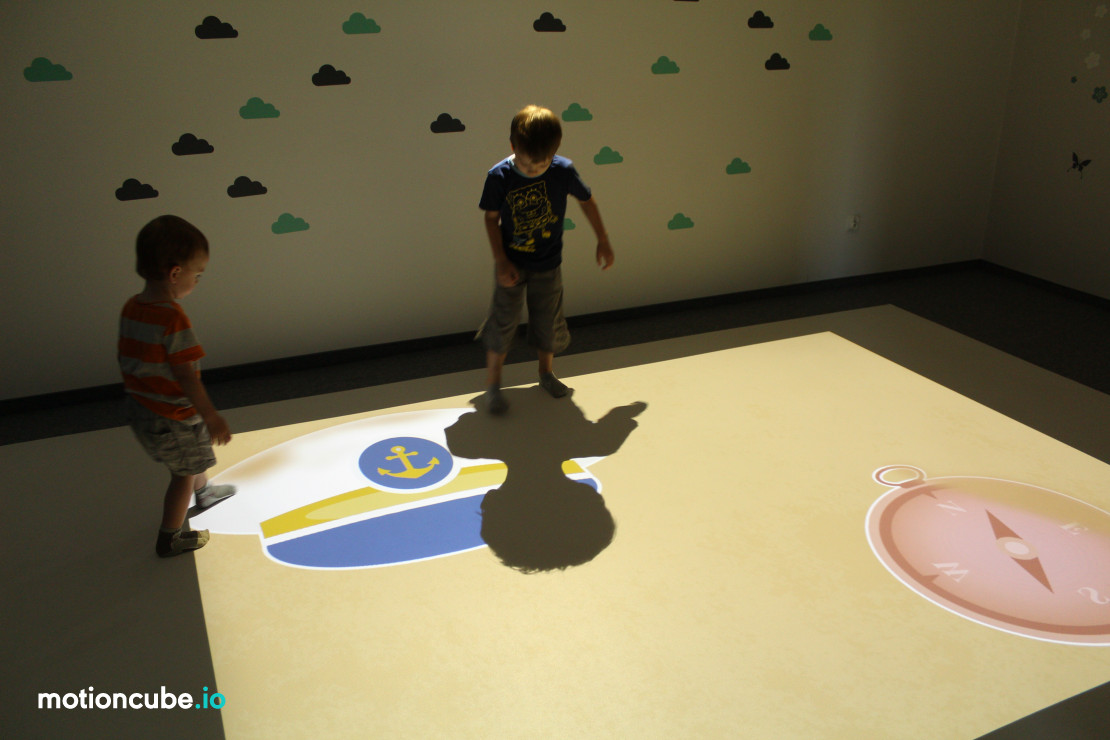
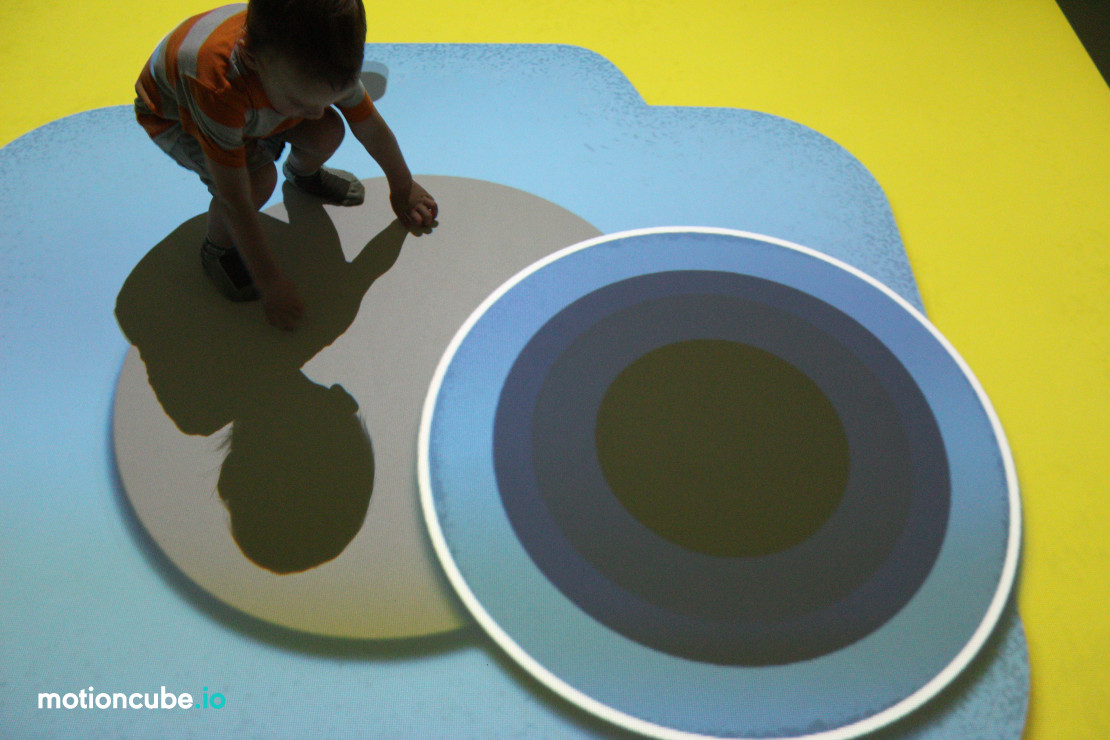
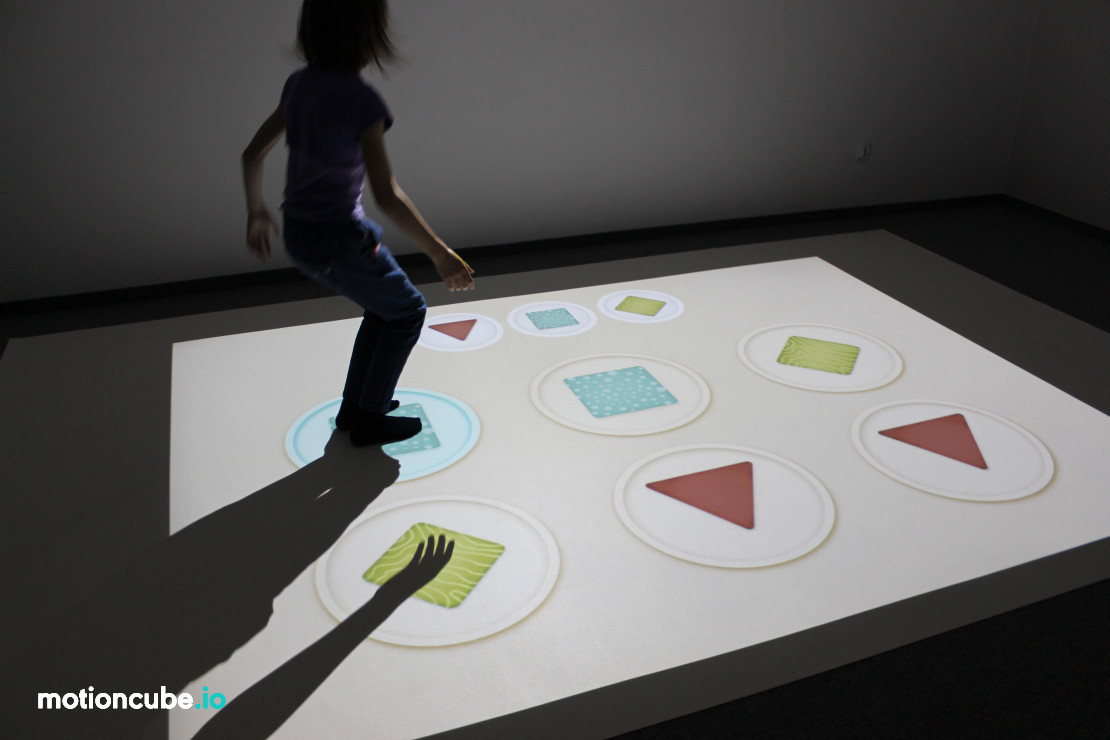
Applications on the interactive floor are controlled by body movement, by walking, running, jumping, touching and other forms of movement on the floor.

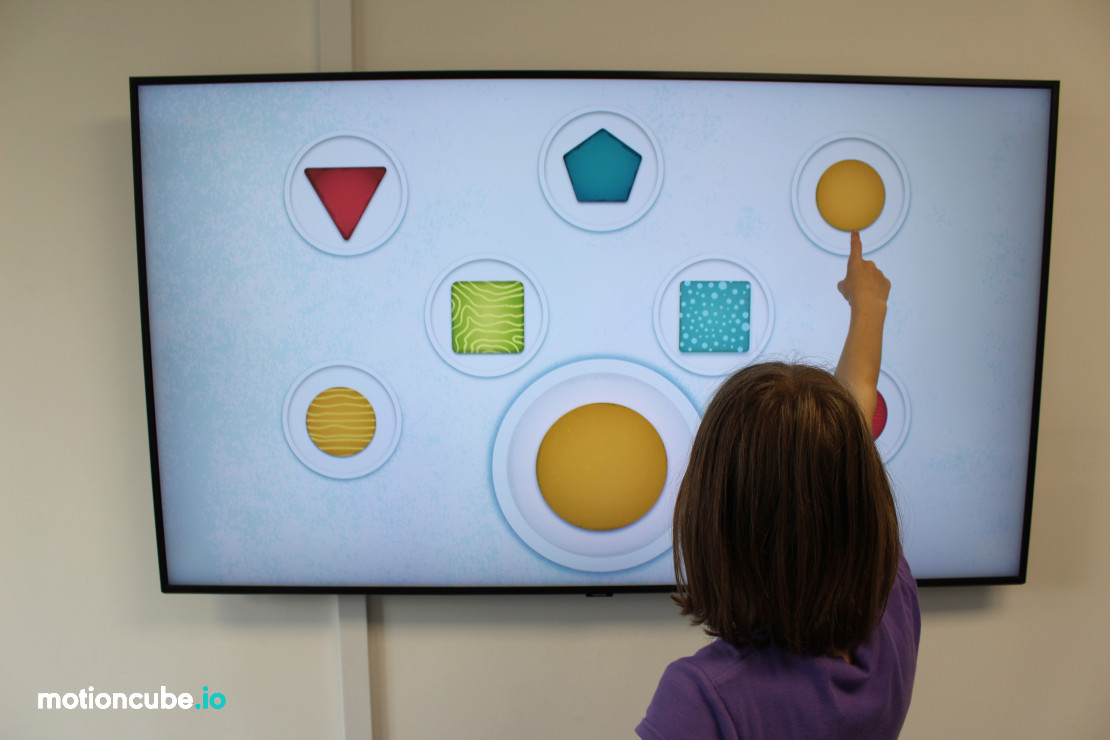
In addition, the applications have been adapted for interactive boards and touch screens.

The package is suitable for team games, pair games and individual exercises with a child.

The Happy Stones application package is designed to support the physical, social, cognitive and emotional development in early childhood education. The package is intended for the organising activities that support multidirectional activity in children, increase sensory integration and develop the ability to use developing cognitive processes.

The proposed exercises stimulate, in particular visual analysis and synthesis of thematic and non-thematic material, the ability to identify, categorise, memory and concentration, thinking by analogy and planning body movements (gross motor skills). The games support the development of language skills and encourage children to take initiative and action, including those related to social activation, through the opportunity to work in a group.

The applications included in the package are designed for multidirectional activation: motor, auditory, linguistic and visual. They also encourage observation and analysis of problems and the search for solutions. Incorporating them into educational situations, particulary remedial classes, allows for experimentation and the acquisition of experience as well as multisensory learning, stimulating the child's development in all areas: physical, emotional, social and cognitive.

Participant will be guided through a variety of exercises in the land of shapes, colours, patterns, and illustractions, from the simplest to the most complex forms, which they will be able to interpret, i.e. recognise, distinguish, find symmetry and similarities.

The authors of the package have sought to respond to the developmental needs of preschool and early school age children, focusing on supporting motor and sensory skills during organised, safe play and physical games.

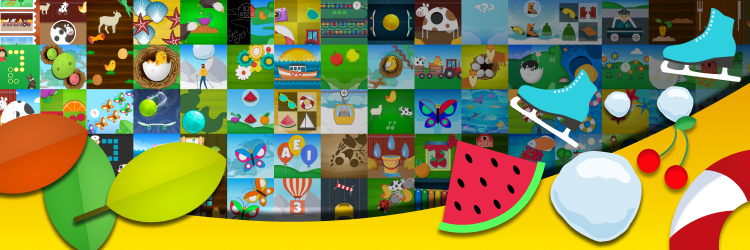
The Happy Stones package contains sixteen interactive applications that support multidirectional activity in children.

The applications allow you to select the level of difficulty. The package contains a total of several hundred different graphic objects, so that each randomly selected exercise is different from the previous one.

The applications include:

  • logical puzzles involving matching elements in a jigsaw ; matching elements in pairs; determining the order or number of elements in a sequence; selecting the necessary elements to complete a pattern;
  • memory games involving finding pairs of objects and recreating a pattern;
  • creative games involving colouring a board and designing a picture;
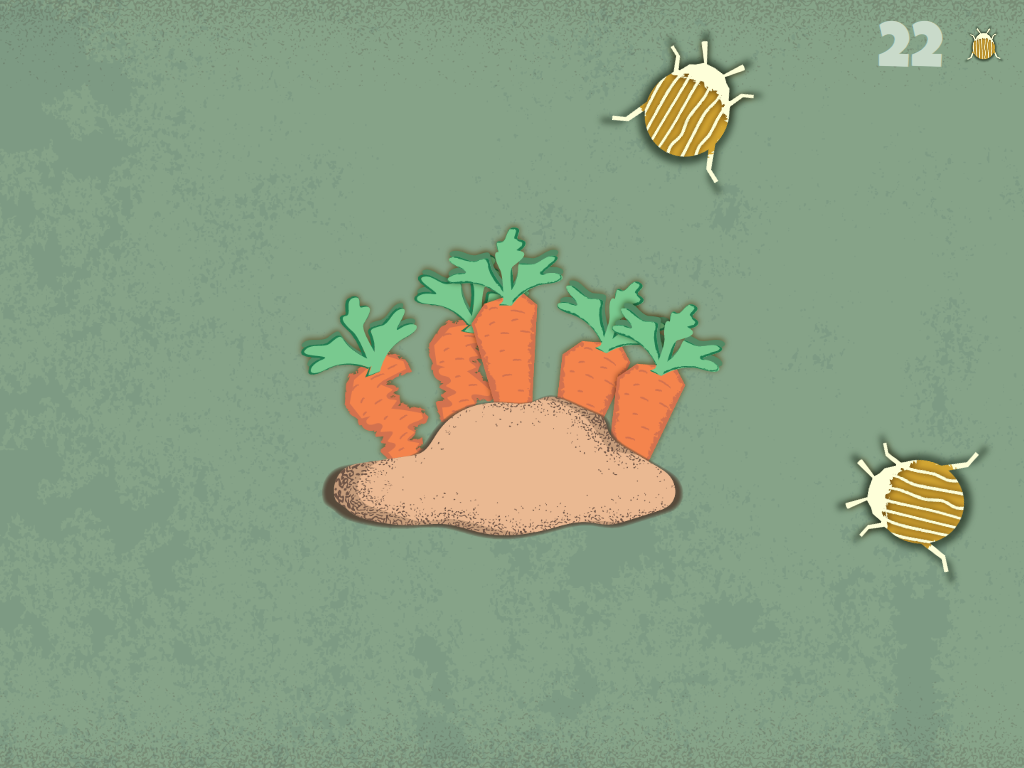
  • movement games involving catching elements;
  • rhythm and sound games involving playing the rhythm that is heard or seen.

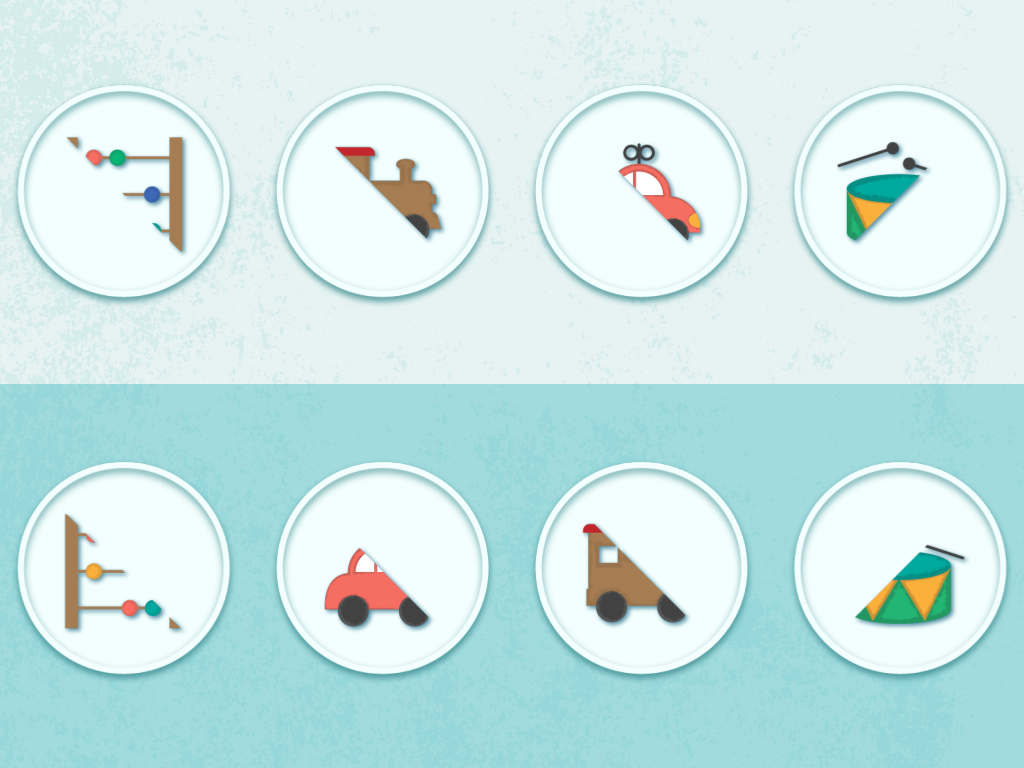
The exercises are based on non-thematicmaterial: pictures composed of shapes, colours and patterns, and thematic material: illustrcions of animals, toys and biscuits, as well as sound material with simultaneous physical activity involving the whole body.

The applications in the Happy Stones package have been designed to meet the various developmental needs of children and to support teachers in organising safe exercises and physical activities

MOVEMENT - FUN - DEVELOPMENT
  • Fun on the floor, in a large space.
  • Interaction with the application on the interactive floor using movement.
  • The possibility of including a group of users in joint exercises.
  • Simultaneous motor, visual and auditory activation.
  • Logical, rhythmic, pictorial and creative games.

Varied levels of difficulty and complexity of exercises

Not only do the applications differ in terms of difficulty, but most of the exercises themselves offer a choice of subject area or difficulty level. This allows the exercises to be tailored to the individual needs of users.

  • Differentiation of exercise complexity at the package level.
  • Grading of exercises difficulty within the application.

Interface Availability

  • The graphical representation of exercise difficulty levels enhances attractiveness, clarity and facilitates the selection of the range.
  • Exercises take place on the floor, a natural place for children to play.
  • Exercises are also available on monitors and touch screens.
  • Simple communication with the application on the floor using movement - walking, running, jumping, rolling, hand movements.
  • For users on four wheels, it is possible to interact with the application on the floor using long light pens.
  • No imposed movement patterns,, freedom in how to play and solve the boards.
  • Possibility to develop multiple scenarios for working with the app, consistent with the logic of the exercise.

Consistent logic of the application

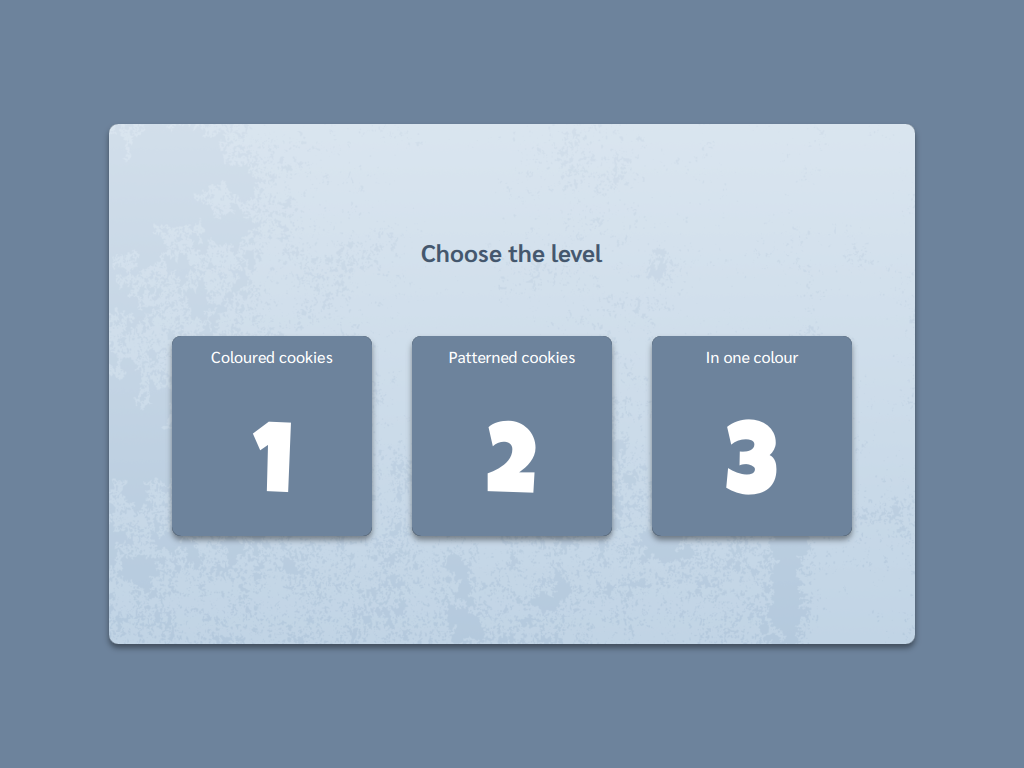
  • The first screen in the application is designed for use by children. It contains simple instructions – tips for young users, which they can read on their own or with the help of a guardian. From this level, the teacher can display additional information related to the exercise (the See description button) as an aid for the teacher in the form of instructions and tips on how to work with the child using a given exercise. The next step is a screen with a choice of difficulty levels.
  • The app communicates the correct solution audibly and visually, while allowing the child to make mistakes, which are not particularly emphasized, but are simply part of the process of arriving at the solution.
  • In creative applications, all solutions are correct, and this type of play particularly supports creative thinking, encourage experimentation and action.
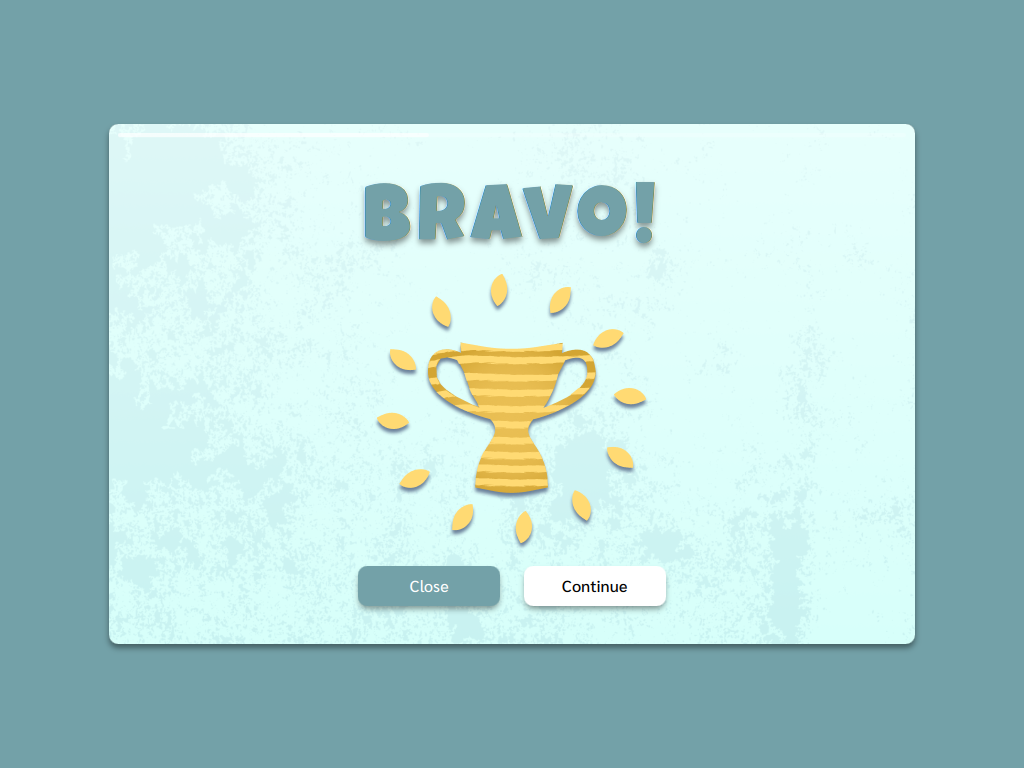
  • After completing the board (or set of boards, the user sees a screen with congratulations and has option to continue the exercise or returnto the list of applications.

Customised exercise dynamics

  • In the applications, the dynamics of exercises are adapted to individual needs and abilities. In most applications, it is the child and the teacher who decide on the speed of the exercises and impose the dynamics of actions on the boards through the movements performed. In the case of classic movement games, a slightly slower pace of movement of elements on the board and a smaller number of them than in the standard versions of these games have ben used.
  • After completing a task or series of tasks, the teacher or guardian may decide to introduce a short mini-game or activity. Using the available applications in this or another package (eg Little Steps, Balls & Goals) they can make suggest a purely entertaining game that allows the user greater freedom of action without imposing any requirements to be met.

Graphics - an appetite for patterns and colours

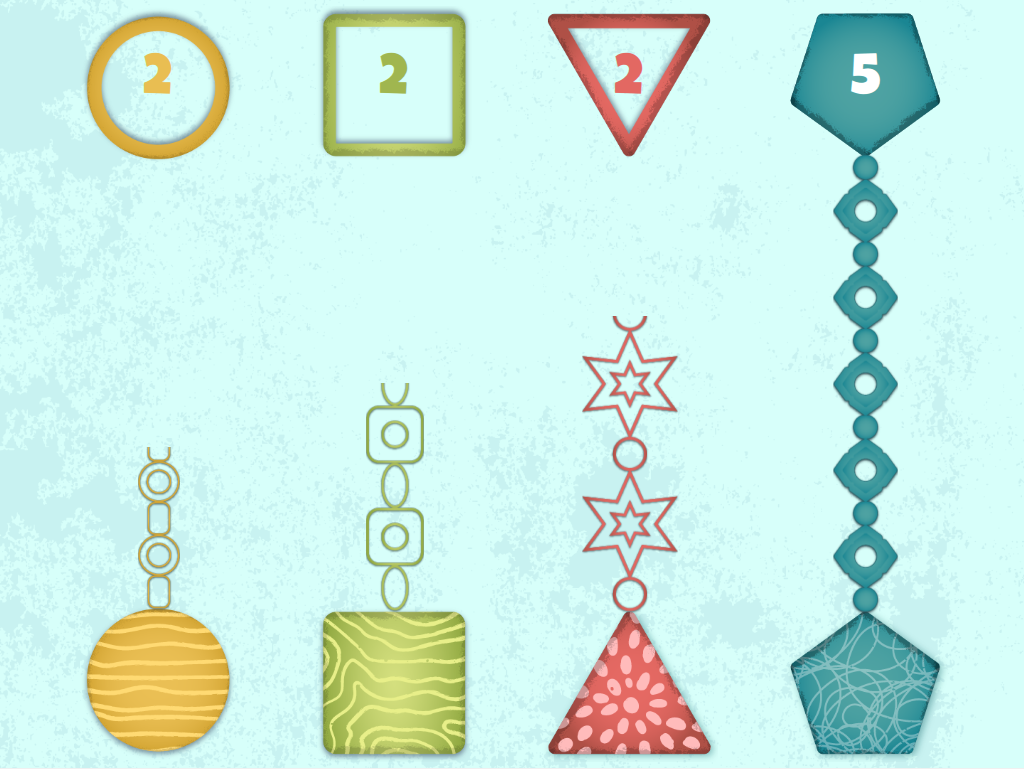
  • The simple shapes used, combined with patterns and colours, create original graphics that are also consistent and easy to interpret. The gradation of difficulty at the visual perception level is achieved through the appropriate selection of the size and number of elements on the board and the combination of colours and patterns - from simple forms to complex forms.
  • The exercises are accompanied by a uniform background, without unnecessary distractors.
  • The color palette consists of a fixed set of colours, dominated by cool colours - blue, gray, green and purple, which promote calm, tranquility and concentration, as well as muted warm colors.
  • The visual forms selected in the package mainly refer to real objects familiar to the child from everyday life - for example: sweets, animals, toys or geometric shapes. This allows the use of names that are familiar or fall within the scope of the basic knowledge to be acquired. This solution also facilitates the understanding of commands.

See sample screenshots

Active support for the child's development

Working with the Happy Stones games, you can develop:
  • visual and auditory perception;
  • concentration, short-term memory and perceptiveness;
  • independent, reflective, logical, critical and creative thinking;
  • abstract thinking and imagination;
  • motor skills and hand-eye coordination;
  • planning movement in order to imitate a pattern;
  • spatial orientation;
  • the ability to categorise by recognizing colours, shapes, patterns and noticing similarities and differences;
  • visual analysis and synthesis of thematic and non-thematic material;
  • memorising sequences of images and image arrangements;
  • communicating with another person to enable cooperation or independent activity;
  • asking questions, idenifying problems, collecting information needed to solve them, planning and organizing actions and solving problems;
  • the ability to observe facts and phenomena and think by analogy;
  • the ability to recognise numbers;
  • acting independently and taking initiative;
  • ability to work in pairs and in a group;
  • understanding and respecting instructions, rules of games and exercises.

Download the Happy Stones guide

Crucial information about applications, along with tips for guardians.
Inspirations awaits you!

Why is it worth incorporating Happy Stones applications into remedial classes?

  • A variety of activities that stimulate visual perception and both logical and creative thinking.
  • Attractive graphics and sound effects, as well as various forms of movement, stimulate children in many areas.
  • Developed in collaboration with a psychologist.
  • Choice of exercise complexity levels, randomly generated boards.
  • Conforms to recommendations for remedial applications.
  • Individual, pair and group exercises.
Why is it worth incorporating Happy Stones applications into remedial classes?

Follow us in small steps!

Games and exercises stimulating development and perceptual-motor skills.