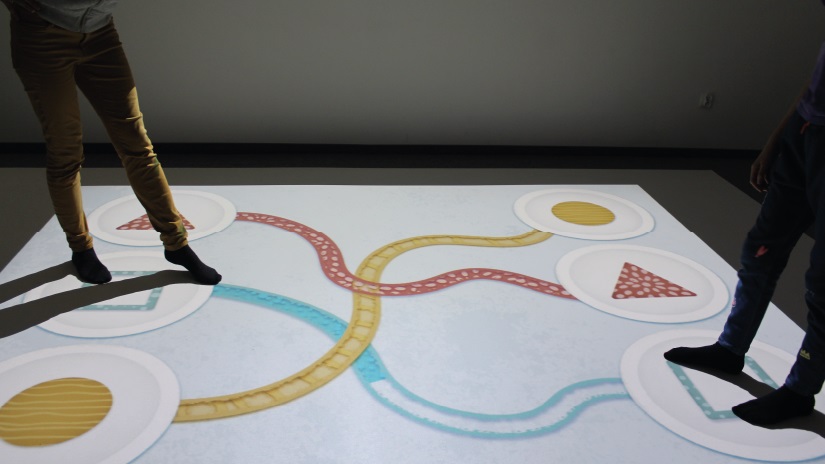
Cooperative visual-motor training (working in pairs) on the interactive floor
Special educational and developmental needs of children
Working with children with special educational needs requires specific tools. Which areas should be supported when traditional education is not the best option for a child? How can technology support a child's development? What can an interactive floor offer in the educational process?
Tools aimed at caregivers and teachers of children with special educational needs should offer a wide range of opportunities to support development and eliminate potential gaps in various areas. Specific learning difficulties require a special approach: deaf and hard of hearing children need a different kind of support to those with mild, moderate or severe intellectual disabilities. Other groups requiring a special approach include children with specific learning difficulties such as dyslexia, dysgraphia and dyscalculia; children with autism; children with visual impairments; children with motor disabilities; and children with multiple disabilities.
Regardless of the difficulties that characterise each group, educational and therapeutic measures should be undertaken as early as possible to reduce deficits in knowledge and skills attributed to successive developmental milestones. If this is the case, a supportive action plan can be created, setting out the goals to be achieved when working with the child or children.
Educational challenges
The movement element should be introduced as early as possible in educational activities. Adding physical activity to educational activities can effectively support cognitive function, particularly when working with children who have various developmental deficits. Learning accompanied by movement enables the connection of information from the environment with that from inside the body, leading to the creation of sensory experiences, particularly those combining sensations from multiple senses. These situations activate and stimulate the growth of neural connections and increase blood flow through the brain, thus facilitating the absorption of new knowledge by increasing the supply of oxygen, energy and nutrients.
The movement also supports episodic memory by combining substantive content with music and images. This activates emotional experiences, increasing the importance of the resulting experiences. Adding an element of fun to exercises can also help maintain motivation — attractive classes encourage you to discover new, interesting challenges while strengthening the trained skill through frequent repetition. This is particularly important when working with children who have specific educational difficulties, as the frequency with which a task is performed is a key predictor of skill acquisition.
One of the main educational challenges faced by caregivers and teachers of children with special educational needs is supporting cognitive development. Children with special developmental and educational needs require more support to acquire knowledge. Often, mastering the basic skills that characterise successive developmental milestones is a significant challenge. An important element of this work is taking an individual approach — defining key needs makes it possible to take properly directed actions. Activating both hemispheres and the corpus callosum during educational activities is key to improving intellectual functioning. Involving both the left hemisphere, which is responsible for cognition, speech development, action planning, sequential thinking and organisation, and the right hemisphere, which coordinates emotional activity, sense of rhythm, imagination and creative activities, helps to achieve better learning outcomes. Areas that develop intensively with age and which require intensive support in this process include attention and memory. Attention, i.e. the ability to focus on a specific stimulus for a prolonged period, is crucial in the educational process. A common phenomenon in children, especially those with cognitive deficits, is an impaired ability to focus on a single object or action for an extended period. A particular problem arises with distractors — elements of the environment that distract from the main target, which may prevent or lengthen the completion of the task. Students with special educational needs often have impaired memory too, relying mainly on involuntary memory, which is based on the fixation of a memory trace and does not require increased effort. Therefore, it is important to incorporate multiple repetitions of one batch of material into the educational process.
Another area of work with children with special educational and developmental needs focuses on social development. On the one hand, learning social norms and behaviours is often necessary to help the child continue functioning efficiently in society, reducing the risk of exclusion and stigmatisation. While some issues, such as emotions expressed through facial expressions, can be conveyed through images, it is much more difficult to convey an understanding of norms and create convincing arguments. Social activation of children is also important for social development, for example through joint activities that enable integration with peers and naturally support the formation of peer bonds. Involving children, especially those with communication difficulties, in educational play allows them to safely practise active and passive communication and create verbal and non-verbal signals. Group performance of tasks also has a positive effect on motivation and meets the child's social needs.
Technological variety
A wide range of traditional materials for working with children with special needs is available on the market, based on paper exercises and real objects or models. In order to diversify and improve learning, tutors and teachers are increasingly using technological solutions dedicated to personal computers, tablets or mobile phones during lessons. "Information and communication technology" (ICT) is becoming an increasingly important issue in modern education, in both traditional and specialised settings. The introduction of technological solutions in education enables children to expand their experiences, stimulates the learning process and allows them to experiment, expand and integrate their knowledge. However, it is important to remember that these solutions must be adapted to the capabilities of young users. ICT can be used to teach almost all school subjects thanks to the wide range of possibilities offered by new technologies. Graphic activities in virtual spaces allow quick changes to be made and experimentation with colours or backgrounds, awakening boldness and encouraging further creative attempts. The combination of movement, sound and images when using multimedia tools stimulates the child's visual intelligence, including the ability to divide visual attention, spatial representation and visual attention. ICT can also be very beneficial for disabled children, as its interactive nature can provide more intuitive and engaging feedback than traditional educational materials. As a kind of "extension of the body and senses", ICT allows actions to be performed more in line with the user's intentions.In order for technological tools to provide users with a sense of safety and control, it is important that they provide adequately dynamic entertainment depending on the situation or the user's mood. This allows children to follow the course of the game and stop the programme, providing space for them to ask questions or quit an action.
To meet these requirements, producers of educational materials are offering an increasingly wide range of products aimed at children with special educational and developmental needs. One such solution is the interactive floor, which is a device that projects an interactive surface onto the floor using a projector. The Motioncube interactive floor system is an example of such a solution. Thanks to its combination of floor space — which is so natural for children's play — and technological possibilities, this tool offers many functions that are unavailable with screen devices such as phones, monitors, or tablets. Using an interactive floor requires the user to activate their motor skills, as it uses both gross motor skills (as the application is operated using the whole body, including the arms and legs) and fine motor skills (when using light pens that interact with the application, acting as an equivalent to a tablet stylus or pen). At the same time, it provides visual and auditory stimulation while engaging multiple senses. The increased space for interaction enables better understanding of the situation and deeper immersion in the content. The possibility of using the floor in pairs or in a larger group can make educational activities much more attractive and influence activation and social integration.
Motioncube applications by LavaVision
The Motioncube remedial applications for interactive floors, prepared by the LavaVision team, stand out from other available materials in many ways. Firstly, they are flexible — the teacher can use the prepared scenarios as part of the remedial app package, but this is not a requirement — thanks to open commands, the tutor can freely adapt the lesson outline to the animation. Another advantage is the ability to choose how to interact with the application. There is the option to operate the program through movement (arm or leg), as in the "Happy Stones" or "Little Steps" collections, or with interactive pens, such as "Colours Power". Thanks to interesting graphics and sound, the applications provide polysensory experiences, stimulating multiple senses simultaneously for richer, more effective learning. Children can use the interactive floor alone or in groups — social activation is an important element of working with children with special educational needs. Using the application in pairs or groups enables integration with peers and strengthens peer relations. For example, the "Tug of War" and "Balloons" applications in the "Little Steps" app collection allow users to practise cooperative skills, as they can compete in a controlled space or work together to pop all the balloons.


Motioncube's interactive applications also offer content that supports cognitive functioning. One example is the "Candies in Jars" application from the "Happy Stones" app collection, in which children assign items to a collection based on a specific feature, thereby training their categorisation skills. This app series contains many different interactive exercises to help children practise distinguishing elements based on shapes, colours or patterns while performing various movements such as walking, running, jumping, catching and revealing. The "Memory stamps" application is an interesting combination of exercises in recognising elements and simultaneous memory training. It is an implementation of a classic memory game with additional motion interaction.
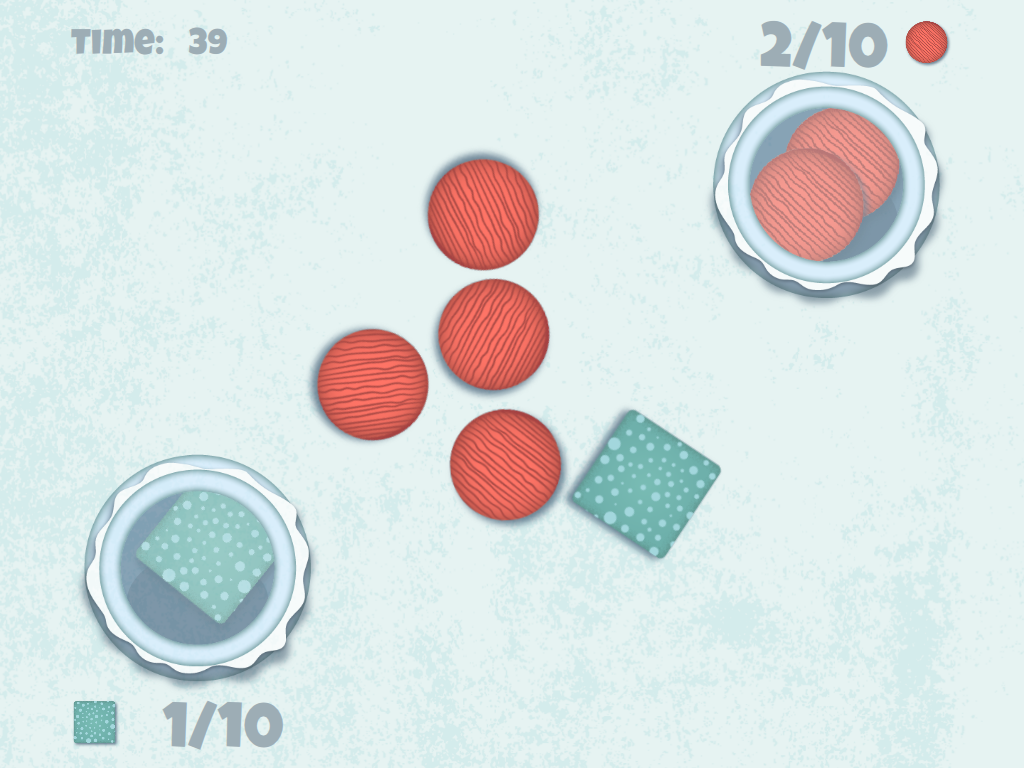
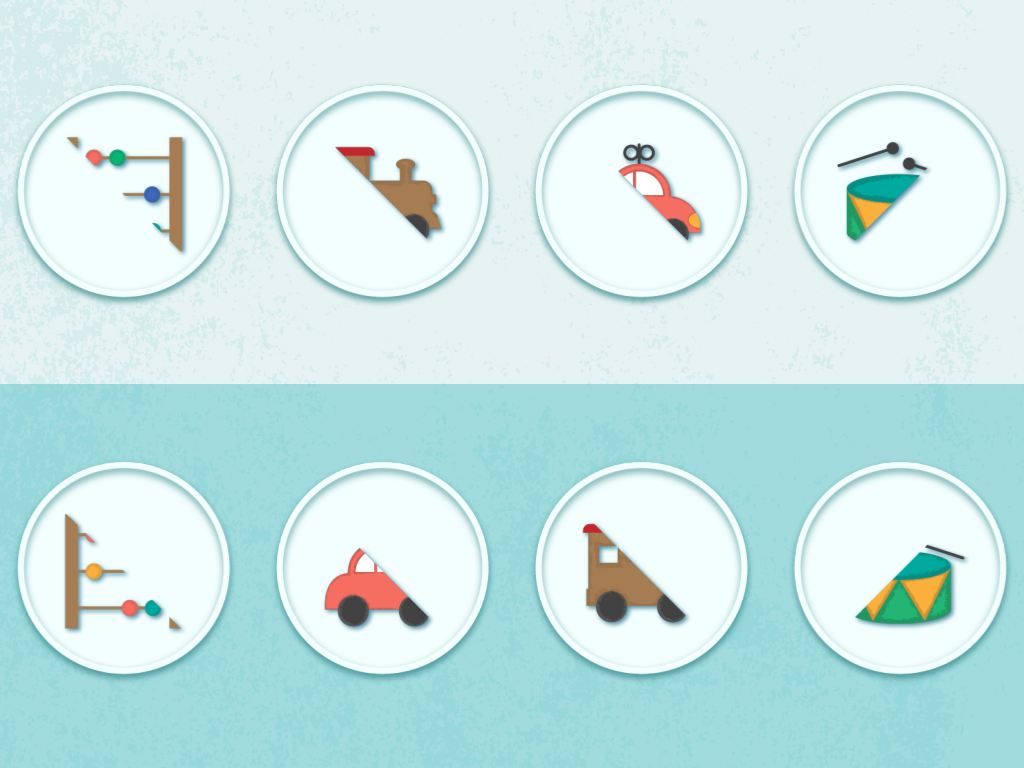
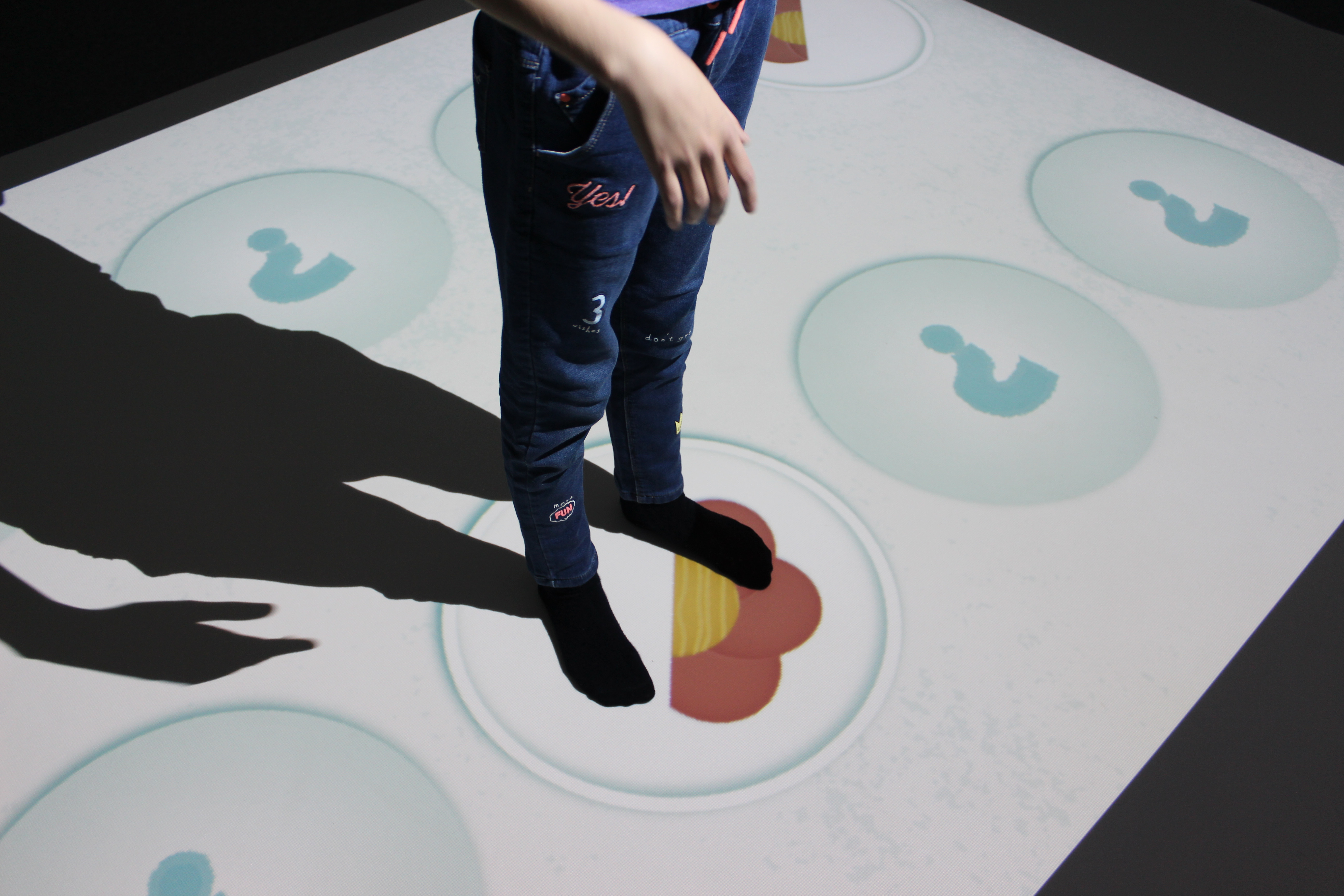
A significant element of using applications on the interactive floor is their visual appeal. Firstly, they offer an interesting, interactive form of exercise in a large space. Secondly, the content of the application is visually attractive. Playing in such a space arouses curiosity and positive emotions, prompting spontaneous cognitive activity. The game itself can be either activating or relaxing, depending on the teacher's intentions. Strong emotions promote better memory retention, not only because of their emotional impact, but also because they are novel, interesting and distinctive. The application is also intuitive and easy for children to control: when they make many movements, the programme reacts faster; when they decide to make one move, they can observe one change. This can strengthen a sense of control over the situation on the board, which is important for children with developmental deficits. The apps developed by the LavaVision team also stimulate creativity. Some allow you to create artworks directly using the motion of your whole body, experiment with colours and modify your creations. Examples include the "Happy Stones" series of apps, such as "Graphic Composer", "Paintball", and the pen-controlled "Imagine" app from the "Colours Power" collection.
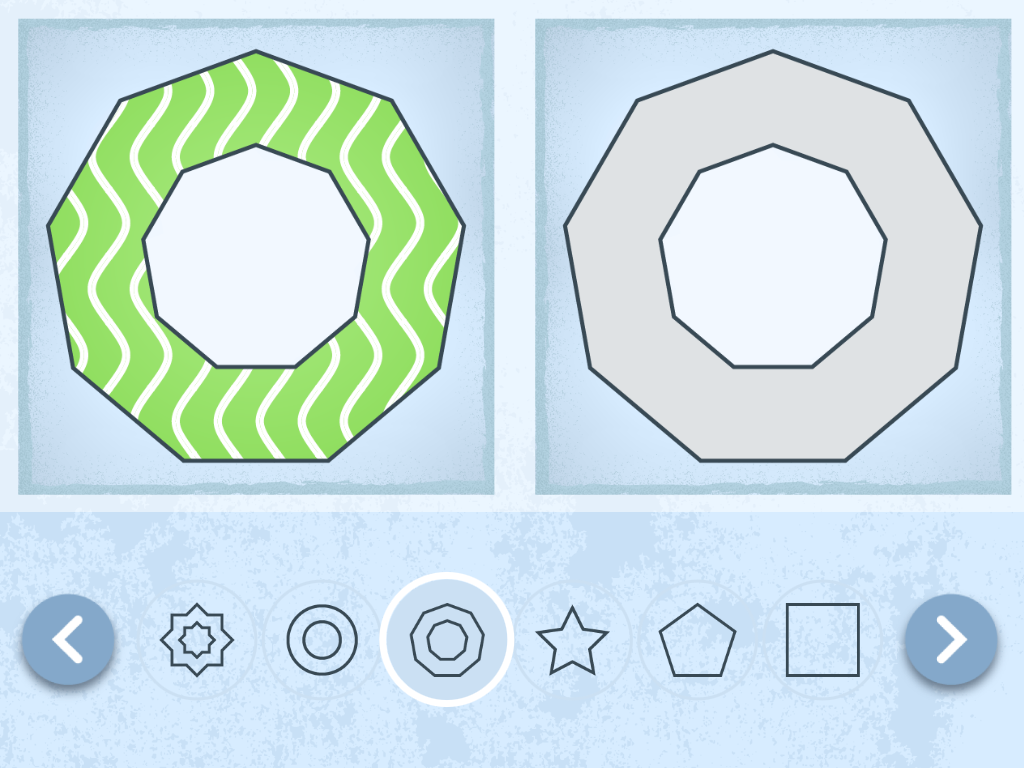

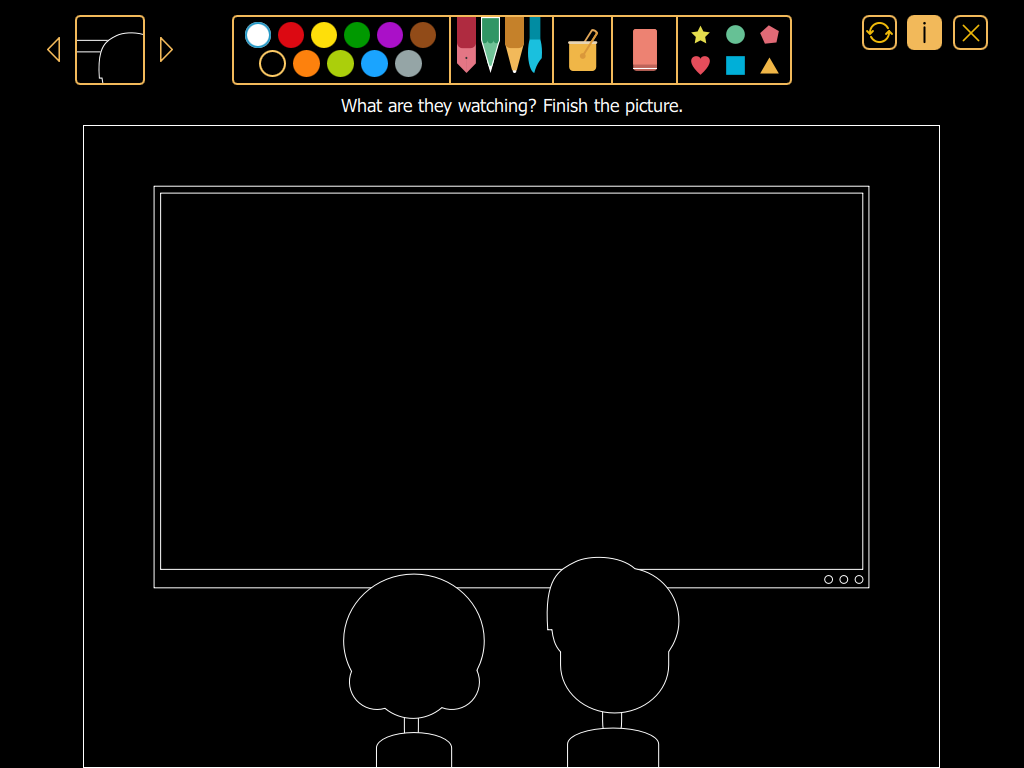
One of the great advantages of the "Happy Stone" application collection is that the difficulty level can be adjusted in most applications to suit the user's abilities. In easier modes, fewer elements are displayed and they move more slowly. The number of patterns and colours used is also reduced, as is the number of distractors. The "Colours Power" worksheets, which shape visual perception and fine motor skills, have been grouped into applications according to children's developmental stages and abilities. Adjusting the difficulty level of the application to the child's skills will result in more positive outcomes, thus providing reinforcement and directly increasing motivation to work. Using the interactive floor is often easier than using a tablet or phone because the projected surface is larger, so the inscriptions and elements on the board are also larger. Therefore, it is less difficult to see the pictures and read the instructions.
In the Motioncube remedial application catalogue, you can find tools that allow teachers to prepare exercises tailored to their students' skill levels. One example is the "Colours Power" application package, where each application functions as a drawing block. Teachers can select a lined or checkered sheet to use as the basis for classes based on an outline they have created.
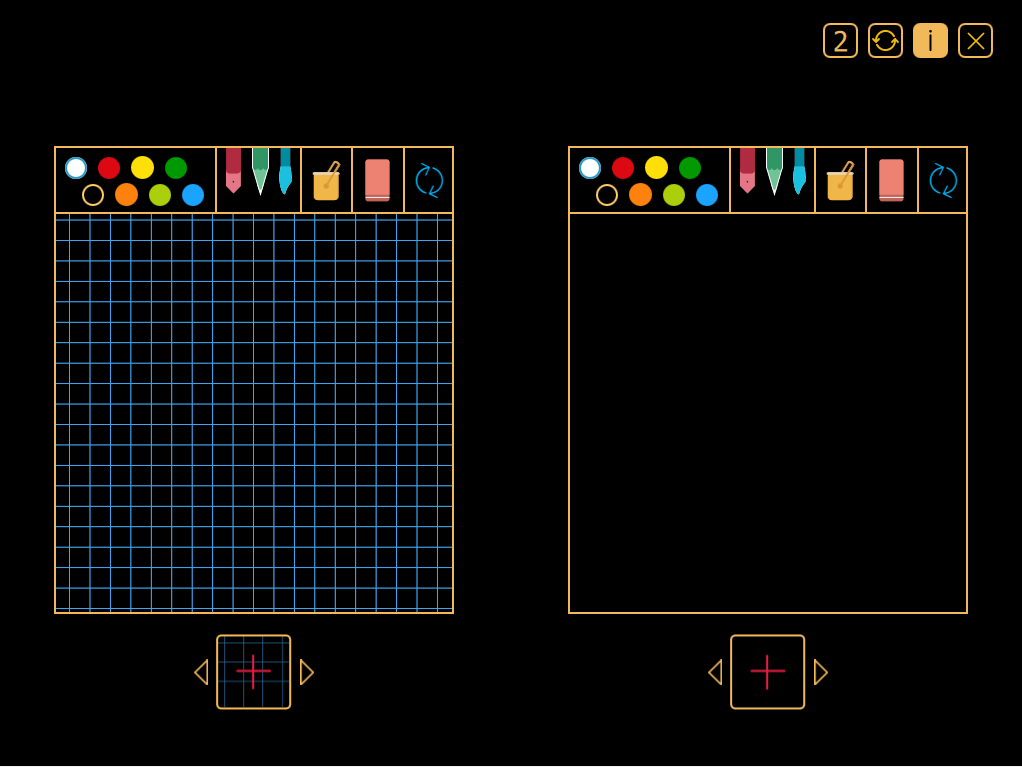
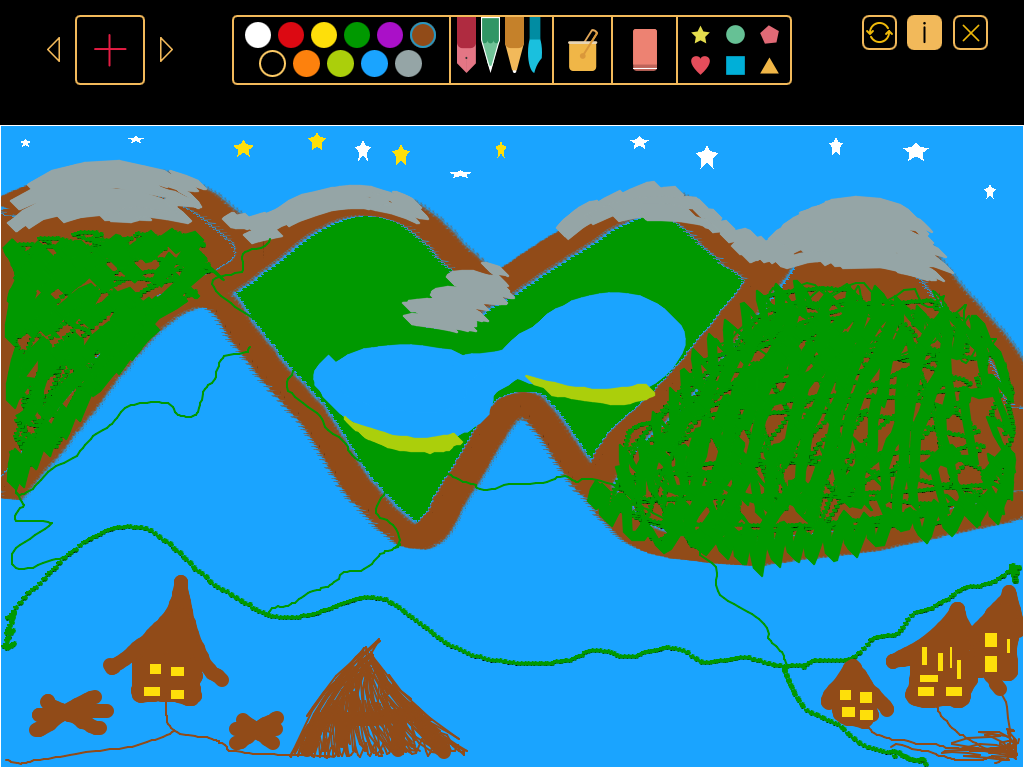
The "Happy Stones" collection has one more advantage. Applications in this series are also available for touch screens and interactive boards. This extends the ways in which users can work with these applications, enabling them to perform similar exercises in a different way. This provides an additional way to diversify classes by repeating the same material and facilitating activities for people with reduced mobility.
Summary
An interactive floor equipped with a range of dedicated applications can serve as a valuable tool for working with children functioning within the norm, as well as those with developmental and educational deficits. Thanks to the wide range of technological possibilities offered by Motioncube interactive floor system, using Motioncube educational applications from the "Happy Stones", "Colours Power" and "Little Steps" collections enables young users to gain comprehensive, experiential knowledge, facilitating more effective learning. This tool can support cognitive and social development, and combining substantive content with movement allows for more complete reception and absorption of the content.
Bibliography
References
The article was written in collaboration with a psychologist and methodological advisor at LavaVision.
